Concrete Repair & Replacement
Expert concrete repair services that restore safety and appearance to your damaged surfaces.
When Repair Makes Sense
Not every damaged concrete surface needs complete replacement. Many common concrete problems can be fixed with professional repair techniques that cost far less than tearing out and replacing the entire slab. The key is identifying issues early before they get worse. Small cracks left unattended can spread and allow water to penetrate underneath, eventually requiring much more extensive work. When you contact PlatinumPoint Salem Concrete about concrete damage, we evaluate whether repair or replacement makes the most sense for your specific situation.
Several factors help determine the best approach. If the damage is limited to the surface or affects less than 30 percent of the total area, repair usually works well. The underlying base must still be sound, with no major settling or heaving. Your budget also matters, as repairs typically cost 40 to 60 percent less than full replacement. We provide honest recommendations based on your situation, explaining the pros and cons of each option so you can make an informed decision.
Common Repairable Concrete Problems
- Surface cracks from settling or temperature changes
- Spalling and flaking from freeze-thaw cycles or deicing salts
- Sunken sections that create trip hazards
- Cosmetic damage that affects appearance but not structure
- Small sections damaged by tree roots or heavy equipment
- Deteriorated joints that need resealing
Professional Repair Methods We Use
Modern concrete repair involves more than just filling cracks with caulk. We use proven techniques and quality materials specifically designed for concrete restoration. The repair method we choose depends on the type and extent of damage. For surface cracks, we clean out any loose material, apply a bonding agent, and fill with flexible repair compound that moves with the concrete. This prevents the crack from reopening as temperatures change throughout the year.
Concrete Leveling and Lifting
Sunken concrete creates dangerous trip hazards and looks unsightly. Rather than replacing the entire section, we can often lift the slab back to its original level using specialized techniques. Mudjacking involves pumping a slurry mixture underneath the concrete to raise it. Polyurethane foam injection uses expanding foam that lifts and stabilizes the slab. Both methods work well for driveways, sidewalks, and patios that have settled. The process is much faster and less expensive than replacement, usually completed in a single day.
Resurfacing and Overlays
When the surface is badly worn or damaged but the underlying slab remains sound, resurfacing offers an excellent solution. We apply a thin overlay of fresh concrete or polymer-modified material over the existing surface. This completely refreshes the appearance while adding years of service life. You can even add decorative finishes, colors, or textures during resurfacing to update the look. Resurfacing works particularly well for patios and entryways where appearance matters.
Signs You Need Full Replacement
Sometimes repair is not the right answer. When concrete has widespread damage, structural problems, or base failure, replacement becomes the better choice. Large areas of deep cracking indicate serious issues that repairs cannot adequately address. If your concrete shows significant settling in multiple areas, the base material has likely failed and needs to be redone. Extensive spalling that exposes reinforcement means the concrete has reached the end of its useful life.
Age also plays a role in the repair versus replace decision. Concrete surfaces approaching 30 to 40 years old may have multiple problems developing. Spending money on repairs might only buy a few more years, whereas replacement provides decades of reliable service. We help you think through the long-term economics. If you plan to stay in your home for many years, replacement often makes more financial sense than repeated repairs on aging concrete.
Our Replacement Process
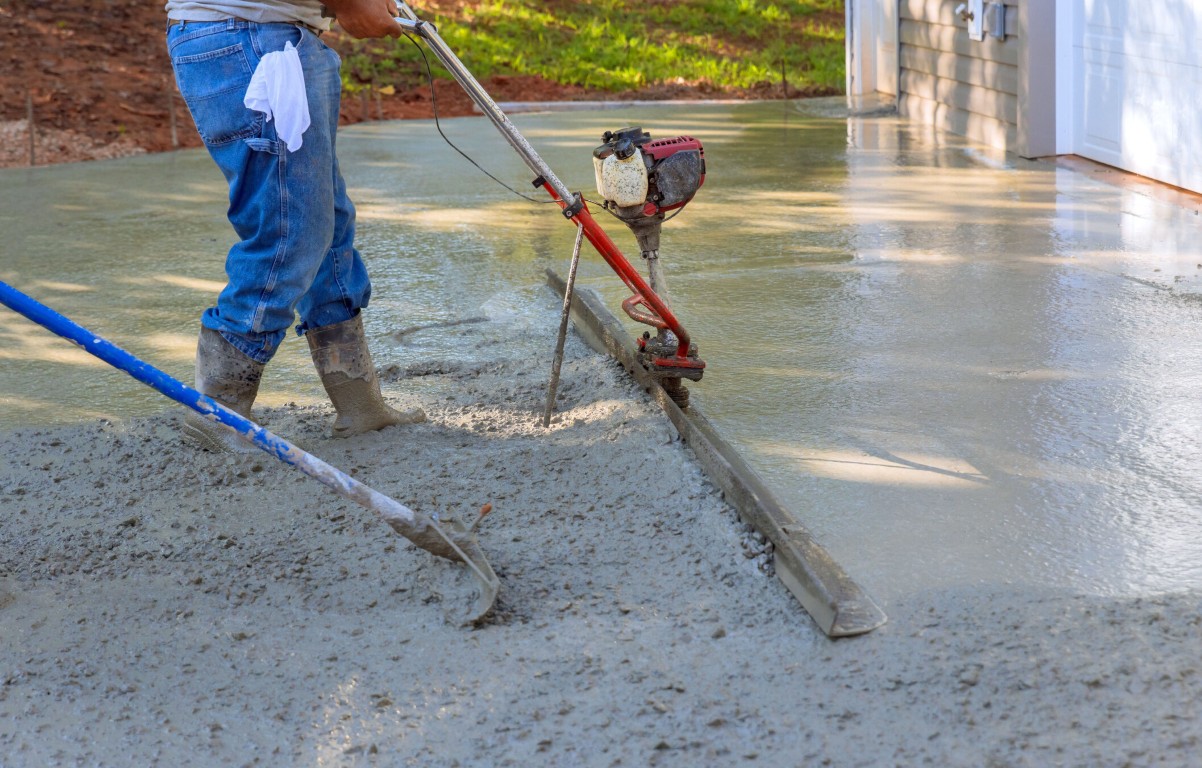
When replacement is necessary, we handle the entire process from demolition to final finishing. We carefully remove the old concrete and dispose of it properly. The base gets evaluated and rebuilt if needed to prevent future problems. New concrete is installed following current best practices for reinforcement, thickness, and finishing. The result is a surface that looks great and performs reliably for decades. Many customers are surprised at how manageable the replacement process is when handled by experienced professionals.
Preventing Future Concrete Problems
After investing in concrete repair or replacement, you want to protect that investment. Simple preventive maintenance helps your concrete last much longer. Good drainage is critical, as water causes most concrete problems. Make sure downspouts direct water away from concrete surfaces, and keep gutters clean so they do not overflow. Watch for standing water on your concrete and address any drainage issues promptly.
Maintenance Tips
- Seal concrete every 2 to 3 years to protect from moisture and salt
- Clean oil stains and spills promptly to prevent penetration
- Use plastic snow shovels instead of metal to avoid surface damage
- Limit deicing salt use, especially on newer concrete
- Keep heavy equipment and sharp objects off the surface when possible
- Fill small cracks early before they spread and worsen
Regular inspection helps you catch small problems before they become major issues. Walk around your concrete surfaces periodically looking for new cracks, settling, or surface deterioration. Addressing minor damage quickly usually costs very little compared to waiting until major repairs are needed. Think of concrete maintenance like car maintenance - small investments in prevention save you from expensive repairs later.
Frequently Asked Questions
Need Concrete Repair or Replacement?
Contact us today for a free evaluation and estimate on your concrete repair project.